

Donate

Donate Tree or Seeds or E-waste
Our Company Address
Green Future Foundation
123 Nature Avenue,
Eco City, Green State 123456,
India
Email: contact@greenfuture.org
Phone: +91 9876543210
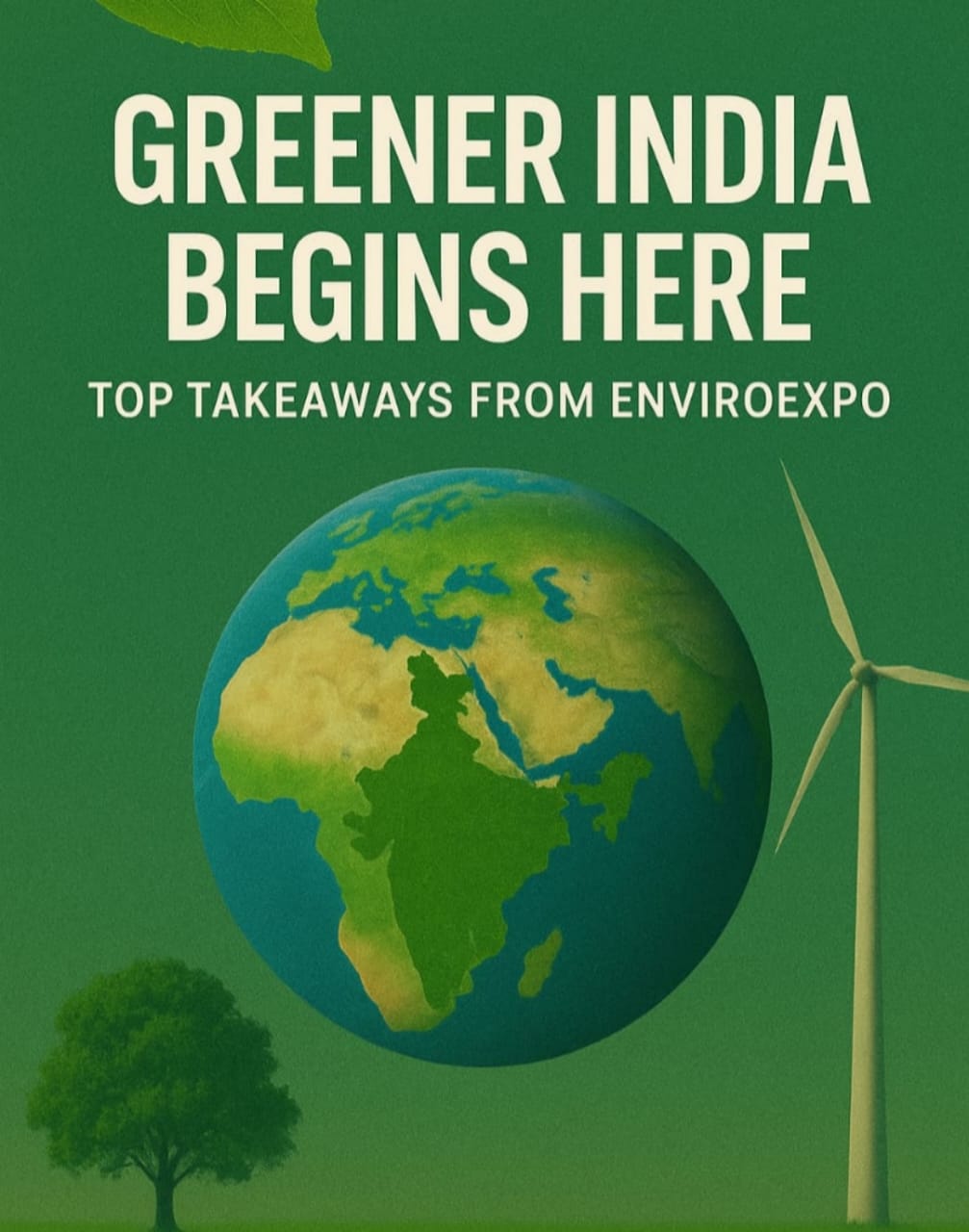
Greener India Begins Here: Top Takeaways from EnviroExpo Blog
Greener India Begins Here: Top Takeaways from EnviroExpo Blog
---
Introduction
India stands at a pivotal juncture in its environmental journey, embracing a green revolution that intertwines policy, innovation, and community engagement. The EnviroExpo 2025 serves as a testament to this commitment, showcasing the nation's strides towards sustainability. This comprehensive overview delves into the key takeaways from the EnviroExpo, highlighting India's multifaceted approach to environmental conservation and sustainable development.
---
1. Government Initiatives: Paving the Way for a Greener Future
a. Tree Plantation Drives Nationwide
The Ministry of Environment, Forest & Climate Change (MoEFCC) spearheaded the 'Ek Ped Maa Ke Naam' initiative, encouraging citizens to plant trees in honor of their mothers and Mother Earth. Launched on World Environment Day 2024, the campaign aims to plant 140 crore trees by March 2025, with 109 crore already planted as of January 2025.
b. Expansion of Protected Areas
India's conservation efforts have led to a significant increase in protected areas, growing from 745 in 2014 to 1,022 in 2025, covering 5.43% of the country's geographic area. Community reserves have expanded from 43 to 220, reflecting a robust commitment to biodiversity preservation.
c. Wetland Conservation Achievements
India now boasts the largest network of Ramsar sites in Asia, with 89 designated wetlands covering 1.35 million hectares. Cities like Udaipur and Indore have been recognized as Wetland Accredited Cities, underscoring India's dedication to wetland conservation.
d. Tiger Conservation Success
Hosting 70% of the world's wild tigers, India reported 3,682 tigers nationwide in the 2022 All India Tiger Estimation. The tiger reserve network spans approximately 2.5% of India's total geographical area, highlighting the country's commitment to apex predator conservation.
e. Climate Action Framework
India's comprehensive climate strategy includes updated Nationally Determined Contributions and a roadmap to achieve net-zero emissions by 2070. The National Action Plan on Climate Change coordinates missions across sectors, including solar energy, efficiency improvements, sustainable habitat, water conservation, Himalayan ecosystem protection, agriculture, health, and climate knowledge development.
---
2. Renewable Energy Transformation
a. Renewable Energy Capacity Growth
India has significantly increased its renewable energy capacity, with non-fossil sources constituting 46.52% of installed electricity generation capacity. Total renewable energy capacity, including large hydropower, has reached 203.22 gigawatts, marking a 4.5-fold increase from 35 GW in 2014.
b. Floating Solar Panels
The adoption of floating photovoltaic (PV) panels, or floatovoltaics, is gaining momentum in India. These systems, installed on water bodies, offer advantages such as reduced land use and improved efficiency due to the cooling effect of water.
c. National Green Hydrogen Mission
India's National Green Hydrogen Mission aims to position the country as a global hub for green hydrogen production. With an initial budget of ₹19,744 crore, the mission focuses on strategic interventions for green hydrogen transition, pilot projects, research and development, and other initiatives.
---
3. Innovations in Waste Management and Pollution Control
a. Waste Management Innovations
EnviroExpo 2025 showcased cutting-edge waste management solutions, including advanced recycling technologies, composting solutions, and waste-to-energy systems. These innovations aim to reduce landfill use and promote a circular economy.
b. Pollution Control Technologies
The expo featured the latest pollution control technologies for air, water, and noise pollution. From anti-smog devices to water filtration systems, these advancements help industries minimize environmental damage and comply with regulatory standards.
c. Digital Environmental Monitoring Tools
The integration of IoT-powered sensors, AI-based predictive tools, and big data analytics is transforming how industries monitor air and water quality, manage resources, and ensure compliance with sustainability goals.
---
4. Green Startups: Catalysts for Sustainable Innovation
a. Chargeup
Chargeup, India's first FineTech platform in the electric vehicle (EV) sector, is making EV ownership more accessible through attractive financing and Battery-as-a-Service solutions. Their dense network of battery swapping stations addresses range anxiety and promotes sustainable mobility.
b. Motovolt Mobility
Motovolt Mobility is transforming urban transportation with connected e-bikes tailored for the Indian market. By promoting electric two-wheelers, they are combating air pollution and reducing carbon emissions.
c. Deshpande Startups
Deshpande Startups, India's largest Technology Business Incubator, supports ventures like Carbon Craft, FluxGen, and envoProtect, driving environmental innovation and fostering a vibrant startup ecosystem.
d. Evera
Evera offers all-electric cab rides, reducing emissions from conventional vehicles and creating healthier communities. Their app-based taxi service is advancing sustainable mobility in urban areas.
e. Carbon Clean Solutions
Carbon Clean Solutions (CCS) is a Mumbai-based startup dedicated to advancing carbon capture and utilization technologies. Their solvent-based innovation captures CO2 emissions from industrial processes, transforming them into valuable commodities.
f. BluSmart
BluSmart operates a fleet of electric vehicles, offering eco-friendly and cost-effective ride-sharing services. Their operations significantly curtail carbon emissions and air pollution in urban areas.
g. Waste Ventures
Waste Ventures India collaborates with local communities to establish waste management systems, offering employment opportunities for waste pickers and providing waste segregation and recycling services.
h. Smarter Dharma
Smarter Dharma focuses on reducing carbon footprints in the Indian real estate industry by delivering eco-friendly and efficient infrastructure through innovative, data-driven design strategies.
i. Project Potential
Project Potential promotes sustainable agriculture and food systems by imparting training and support to farmers, facilitating access to markets for sustainably produced goods.
j. Greenway Appliances
Greenway Appliances produces affordable, eco-friendly kitchen appliances, including cookstoves that consume 65% less fuel than traditional variants, alleviating indoor air pollution and improving household health.
k. Terracycle
Terracycle champions recycling and upcycling of waste materials, striving to create a circular economy where waste is repurposed. They collaborate with leading brands to enhance sustainability in packaging and product design.
l. Ather Energy
Ather Energy pioneers sustainable mobility with its electric scooters, notably the high-performance Ather 450X, and is establishing a network of charging stations to support its users.
m. Phool.co
Phool.co promotes sustainability by utilizing temple waste flowers to create incense sticks and other products, reducing waste generation and providing livelihood opportunities for rural women.
---
5. Sustainable Packaging: Innovations for a Greener Tomorrow
a. Biodegradable and Compostable Packaging
The adoption of biodegradable and compostable packaging materials plays a significant role in reducing plastic pollution and promoting a circular economy.
b. Edible Packaging
Edible packaging, made from materials like seaweed or starch, offers an innovative solution by allowing the packaging to be consumed along with the food, eliminating waste.
c. Active and Intelligent Packaging
Active packaging extends the shelf life of food products by controlling moisture, oxygen, and microbial growth, while intelligent packaging uses sensors to provide real-time data on food quality and safety.
d. Smart Labels and Barcodes
Smart labels and barcodes provide consumers with detailed information about products, including origin, ingredients, nutritional content, and sustainability certifications, promoting transparency and conscious consumerism.
Q1: What is the main goal of the ‘Ek Ped Maa Ke Naam’ initiative launched in India?
A:
The goal is to honor Mother Earth and maternal bonds by planting 140 crore trees across India by March 2025, promoting large-scale afforestation and public participation in environmental conservation.
---
Q2: How is India utilizing water bodies for solar energy production?
A:
India is adopting floating solar panels (floatovoltaics), which are installed on lakes and reservoirs. They save land, reduce water evaporation, and enhance solar panel efficiency through natural cooling.
---
Q3: Which Indian cities received the prestigious Wetland City Accreditation recently?
A:
Udaipur and Indore have been accredited as Wetland Cities by the Ramsar Convention for their commitment to conserving urban wetlands.
---
Q4: How is the startup 'Phool.co' contributing to both sustainability and social impact?
A:
Phool.co recycles temple waste flowers to produce incense sticks and biodegradable products while empowering rural women through employment and training programs.
---
Q5: What makes Green Hydrogen a game-changer for India’s clean energy future?
A:
Green Hydrogen, produced using renewable energy, can replace fossil fuels in industries and transport. India’s National Green Hydrogen Mission aims to make the country a global leader in this domain.
---
Q6: What is unique about Carbon Clean Solutions' approach to reducing carbon emissions?
A:
They use innovative chemical solvents to capture CO₂ emissions from industries and convert them into useful products like baking soda and biofuels.
---
Q7: Which startup is making electric mobility affordable and accessible with battery-swapping services?
A:
Chargeup is India’s first FineTech platform offering Battery-as-a-Service for electric vehicles, solving range anxiety and reducing costs for EV users.
---
Q8: Why are intelligent and active packaging solutions gaining popularity in India?
A:
They extend shelf life, reduce food waste, and provide real-time updates on freshness and safety, aligning with consumer demand for smart, sustainable food packaging.
---
Q9: How does BluSmart contribute to greener cities?
A:
BluSmart operates an all-electric ride-hailing service, reducing urban air pollution and promoting electric mobility with zero tailpipe emissions.
---
Q10: What role do IoT and AI play in environmental conservation according to EnviroExpo?
A:
They enable real-time environmental monitoring (air/water quality), predictive analytics, and resource optimization in industries, helping achieve sustainability goals faster.
---
Q11: What is a major milestone in India’s biodiversity protection highlighted at EnviroExpo?
A:
India has expanded its protected area network to over 1,022 sites, including national parks, wildlife sanctuaries, and community reserves, safeguarding its rich biodiversity.
---
Q12: Which startup transforms agricultural and food systems for sustainability in rural India?
A:
Project Potential empowers farmers with sustainable practices, training, and market linkages, promoting environmentally friendly farming and rural prosperity.
Search
Categories
Tags
Latest Article